"To be nobody-but-yourself — in a world which is doing its best, night and day, to make you everybody else — means to fight the hardest battle which any human being can fight." ~ e.e. cummings
Monday | 12 May 2025 | 01:01 PM 
"To be nobody-but-yourself — in a world which is doing its best, night and day, to make you everybody else — means to fight the hardest battle which any human being can fight." ~ e.e. cummings
“In the midst of hate, I found there was, within me, an invincible love. In the midst of tears, I found there was, within me, an invincible smile. In the midst of chaos, I found there was, within me, an invincible calm. I realized, through it all, that… In the midst of winter, I found there was, within me, an invincible summer. And that makes me happy. For it says that no matter how hard the world pushes against me, within me, there’s something stronger – something better, pushing right back.” ~ Albert Camus
Her Kind by Anne Sexton

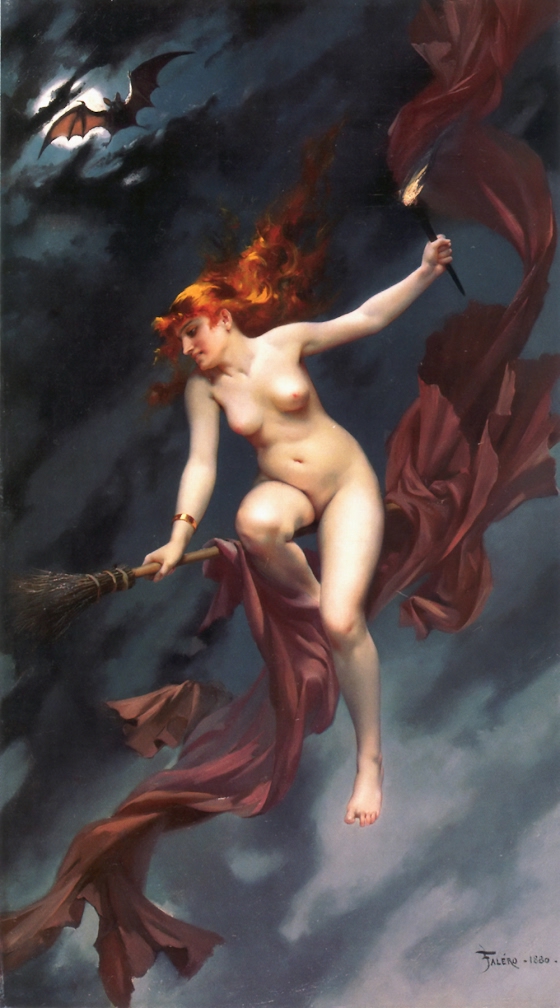
I have gone out, a possessed witch,
haunting the black air, braver at night;
dreaming evil, I have done my hitch
over the plain houses, light by light:
lonely thing, twelve-fingered, out of mind.
A woman like that is not a woman, quite.
I have been her kind.

I have found the warm caves in the woods,
filled them with skillets, carvings, shelves,
closets, silks, innumerable goods;
fixed the suppers for the worms and the elves:
whining, rearranging the disaligned.
A woman like that is misunderstood.
I have been her kind.

I have ridden in your cart, driver,
waved my nude arms at villages going by,
learning the last bright routes, survivor
where your flames still bite my thigh
and my ribs crack where your wheels wind.
A woman like that is not ashamed to die.
I have been her kind.
The Thirst for the Void by Charles Baudelaire

My soul, you used to love the battle's rumble.
Hope, whose sharp spur once kindled you like flame,
Will mount on you no more. Rest, without shame,
Old charger, since at every step you stumble.

Sleep now the sleep of brutes, proud heart: be humble.

O broken raider, for your outworn mettle,
Love has no joys, no fight is worth disputing.
Farewell to all the trumpeting and fluting!
Pleasure, have done, when brooding shadows settle,

The blooms of spring are vanquished by the nettle.

As snows devour stiff corpses in their welter,
Time wolfs my soul in, minute after minute.
I've seen the world and everything that's in it,
And I no longer seek in it for shelter;

Come, Avalanche! and sweep me helter-skelter.
"It is important to do everything with passion, it embellishes life enormously." ~ Lev Landau
"Rock bottom teaches lessons that mountain tops never will. " ~ Unknown
“It's easy to be a naive idealist. It's easy to be a cynical realist. It's quite another thing to have no illusions and still hold the inner flame.” ~ Marie-Louise von Franz
The More Loving One by W. H. Auden

Looking up at the stars, I know quite well
That, for all they care, I can go to hell,
But on earth indifference is the least
We have to dread from man or beast.

How should we like it were stars to burn
With a passion for us we could not return?
If equal affection cannot be,
Let the more loving one be me.

Admirer as I think I am
Of stars that do not give a damn,
I cannot, now I see them, say
I missed one terribly all day.

Were all stars to disappear or die,
I should learn to look at an empty sky
And feel its total dark sublime,
Though this might take me a little time.
Dilemma by Richard Aldington

You asked me if you should still go adventuring
For more beauty, new lands, strange faces,
For other moons and suns over other cities
And seas and forests you have never beheld;
Or whether you should sit down quietly
And con over all you have gathered,
Fingering your memories, counting your spoils,
Letting each day pass without comment
Indistinguishably—a day only, a passage of hours,
Without one blood-beat of discovery or pain.

How could I answer in words?
In any case I am sick of words and talk.
So I drew you silently to the window
Opening upon the spring twilight.
There was a deep orange overglow from the sun,
And a young moon with a star in her hand;
The last swifts dashed screaming over the roofs,
While the first bats swerved noiselessly across the square;
There was a murmur of talk and of moving feet
As people strolled and met after work;
A peasant's cart went by with a man driving
And a girl holding a candle in a paper shade,
And someone played a mandoline.

Were you answered? I do not know,
For after a long silence you spoke of other things.
But I do not know any other silence to give you.
Beauty Unpraised by Richard Aldington

There is only you.
The rest are palterers, slovens, parasites.
You only are strong, clear-cut, austere;
Only about you the light curls
Like a gold laurel bough.

Your words are cold flaked stone,
Scentless white violets?

Laugh!
Let them blunder.
The sea is ever the sea
And none can change it,
None possess it.
Misery by Richard Aldington

Sometimes in bitter mood I mock myself:
'Half ape, half ass, servant and slave,
Where are your dreams gone now,
Where your fierce pride?
Whither goes your youth?
And how will you dare touch again
Dear slender women with those disfigured hands?
Or bare your long-dishonoured body
To the contemptuous sun?
How live after this shame?'

And all my answer:
'So that hate poison not my days,
And I still love the earth,
Flowers and all living things,
And my song still be keen and clear
I can endure.'