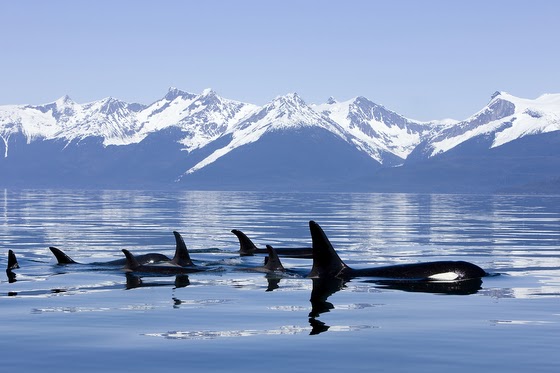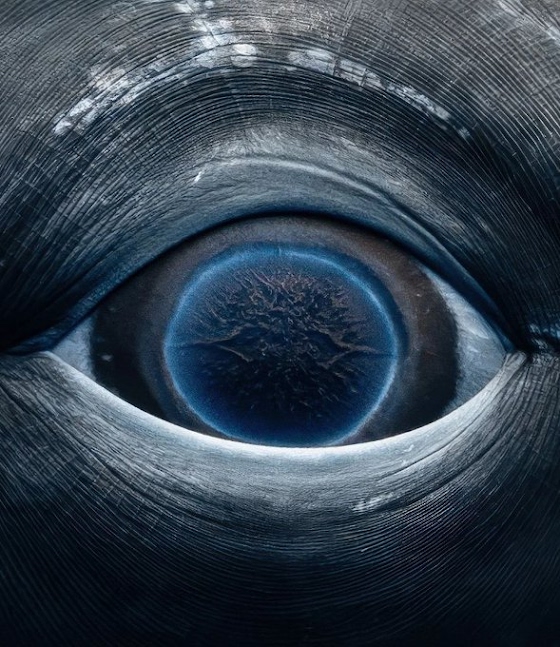
Rachel Moore, Galaxies in Her Eyes (whale eye), 2024
Thursday | 31 October 2024 | 02:10 PM 
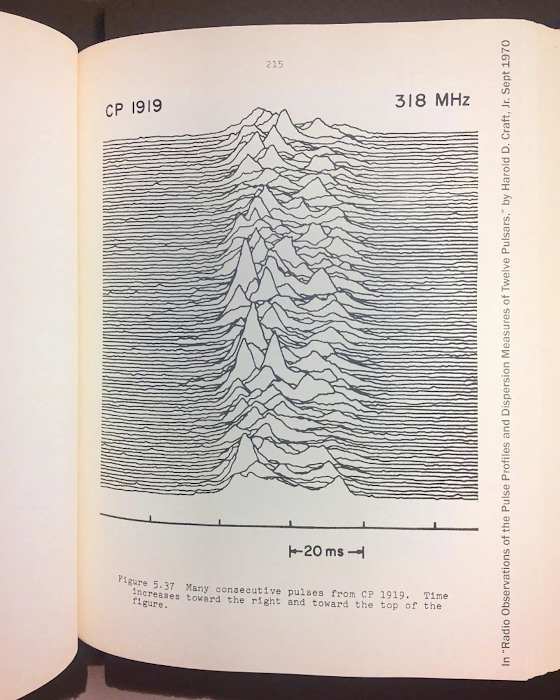
The pulsar CP 1919 was discovered in November 1967 by student Jocelyn Bell Burnell and her supervisor Antony Hewish at Cambridge University. As the star turns, it emits electromagnetic radiation in a beam like a lighthouse, which can be picked up by radio telescopes.
The image was originally created by radio astronomer Harold Craft at the Arecibo Observatory for his 1970 doctoral dissertation as a way to visualize smaller pulses within larger ones.
“Successive pulses from the first pulsar discovered, CP 1919, are here superimposed vertically. The pulses occur every 1.337 seconds. They are caused by a rapidly spinning neutron star." - The Cambridge Encyclopedia of Astronomy
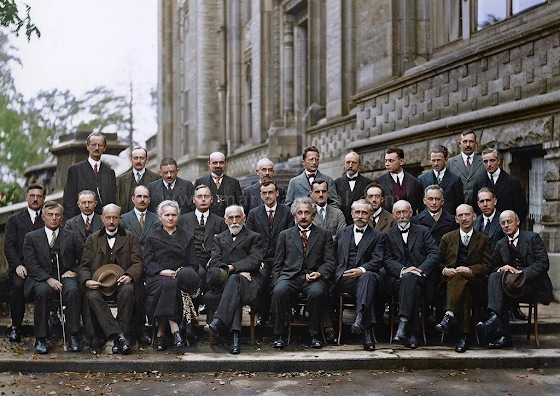
1927 Solvay Conference on Physics
Front row: Irving Langmuir, Max Planck, Marie Curie, Hendrik Lorentz, Albert Einstein, Paul Langevin, Charles-Eugène Guye, C.T.R Wilson, Owen Richardson.
Middle row: Peter Debye, Martin Knudsen, William Lawrence Bragg, Hendrik Anthony Kramers, Paul Dirac, Arthur Compton, Louis de Broglie, Max Born, Niels Bohr.
Back row: Auguste Piccard, Émile Henriot, Paul Ehrenfest, Édouard Herzen, Théophile de Donder, Erwin Schrödinger, JE Verschaffelt, Wolfgang Pauli, Werner Heisenberg, Ralph Fowler, Léon Brillouin
"Remember to look up at the stars and not down at your feet. Try to make sense of what you see and wonder about what makes the universe exist. Be curious. And however difficult life may seem, there is always something you can do and succeed at. It matters that you don’t just give up." ~ Stephen Hawking
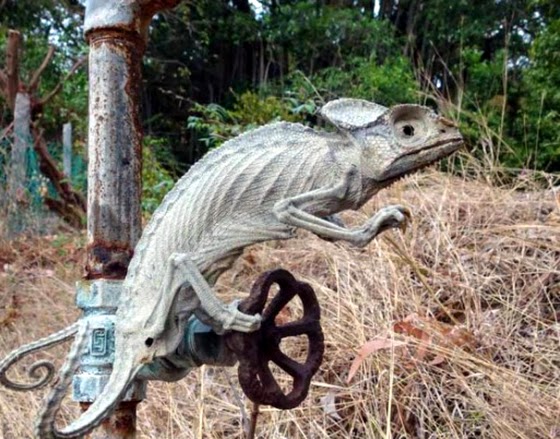
Janaki Lenin, Chameleon mummified by the sun whilst waiting to drink from a turned off tap.
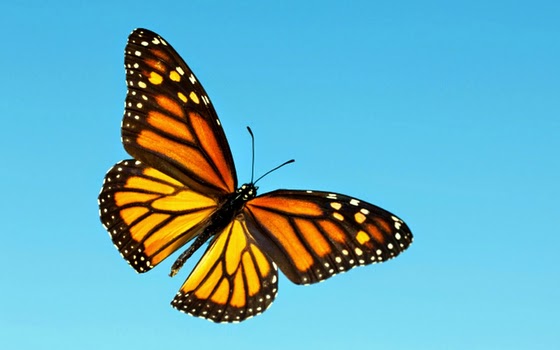
"The eastern North American monarch butterly population is notable for its annual southward late-summer/autumn migration from the northern and central United States and southern Canada to Florida and Mexico. During the fall migration, monarchs cover thousands of miles, with a corresponding multi-generational return north."
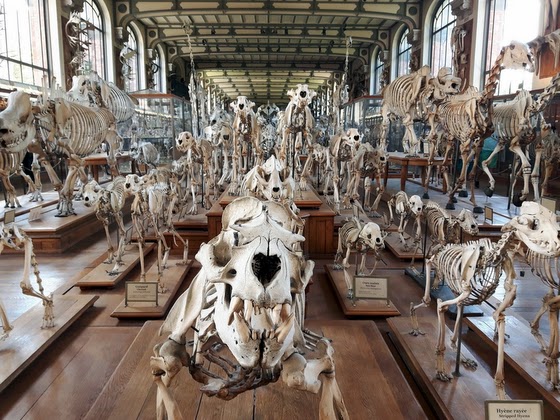
Gallery of Palaeontology and Comparative Anatomy, National Museum of Natural History, Paris
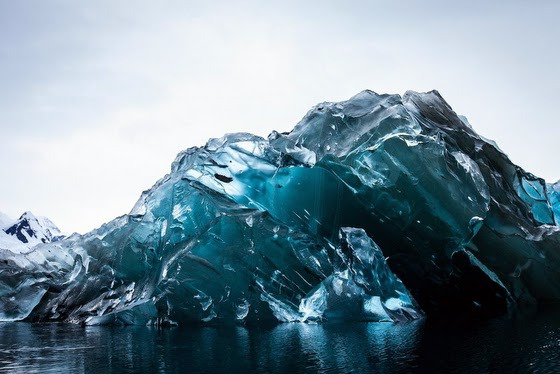
Alex Cornell, An Iceberg Flipped Over, and Its Underside Is Breathtaking
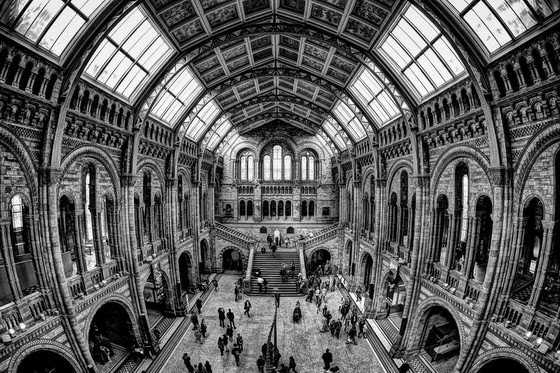
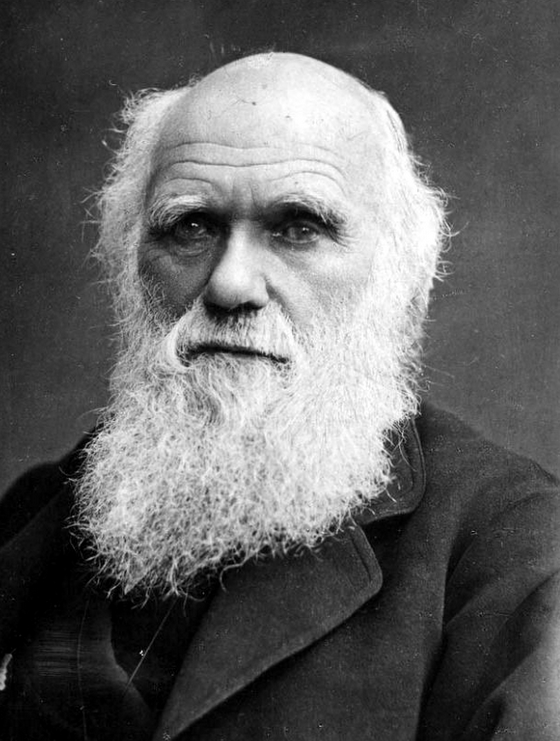
Hintze Hall, Natural History Museum (featuring Charles Darwin and Dippy)